Opioid Addiction Treatment in Utah:
Comprehensive Recovery Programs at Liberty Addiction Recovery
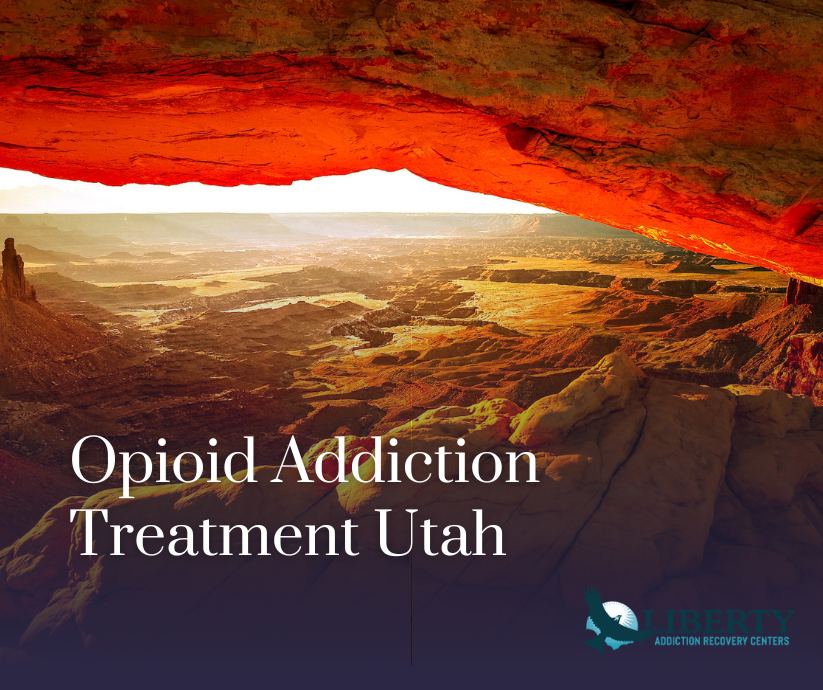 Opioid addiction has become one of the most pressing public health challenges facing Utah and the nation. Whether the struggle involves prescription painkillers, heroin, or fentanyl, the path to recovery requires specialized care, compassionate support, and evidence-based treatment. At Liberty Addiction Recovery Centers in Salt Lake City, we provide comprehensive opioid addiction treatment designed to address the unique challenges of opioid dependency and help individuals reclaim their lives.
Understanding Opioid Addiction in Utah
Utah has not been immune to the opioid crisis. According to recent statistics, opioid-related overdose deaths continue to impact communities across the state. The addiction often begins innocently—with a prescription for pain management following an injury or surgery—but can quickly spiral into dependency. Others may turn to heroin or illicitly manufactured fentanyl, which carry even greater risks due to their potency and unpredictable composition.
Opioids work by binding to receptors in the brain and body, blocking pain signals and releasing dopamine that creates feelings of euphoria. Over time, the brain becomes dependent on these substances to function normally, making it incredibly difficult to quit without professional help. The physical withdrawal symptoms alone can be severe enough to derail even the most determined attempts at sobriety.
Types of Opioid Addiction We Treat
Liberty Addiction Recovery Centers provides specialized treatment for all forms of opioid addiction, including:
Prescription Painkillers:
- OxyContin (oxycodone)
- Vicodin (hydrocodone)
- Percocet (oxycodone and acetaminophen)
- Morphine
- Codeine
- Hydromorphone (Dilaudid)
- Fentanyl patches
Illicit Opioids:
- Heroin
- Illicitly manufactured fentanyl
- Counterfeit prescription pills containing fentanyl
No matter which opioid has taken hold, our team understands that addiction is a complex disease requiring individualized care, not judgment.
Why Choose Liberty Addiction Recovery for Opioid Treatment?
Exceptional Completion Rates
Liberty Addiction Recovery Centers has achieved a 76% program completion rate, significantly higher than the industry average of approximately 50%. This remarkable success reflects our commitment to creating an environment where clients feel supported, understood, and empowered throughout their recovery journey. When you choose Liberty, you’re choosing a program with a proven track record of helping individuals complete treatment and build lasting sobriety.
Joint Commission Accreditation
Within just one year of operation, Liberty Addiction Recovery Centers earned accreditation from the Joint Commission—the highest certification available for treatment centers in the United States. This prestigious recognition reflects our unwavering commitment to quality care, safety standards, and evidence-based treatment protocols. When you enter treatment at Liberty, you can trust that you’re receiving care that meets the most rigorous national standards.
Expert Clinical Leadership
Courtney Baker, LCSW – Clinical Director
Our clinical program is led by Courtney Baker, a Licensed Clinical Social Worker with extensive experience in addiction and mental health treatment. Since becoming Clinical Director in 2019, Courtney has developed and implemented a comprehensive clinical program, curriculum, and policies that form the foundation of our treatment approach.
Courtney brings hands-on expertise to her role, personally facilitating process groups, 12-step groups, and psychoeducational sessions while also providing individual therapy to clients. She specializes in EMDR (Eye Movement Desensitization and Reprocessing) therapy, a powerful technique for addressing trauma and underlying core issues that often contribute to substance abuse. Her experience includes clinical work at Renaissance Ranch Women’s Center, The Phoenix Recovery & Counseling Centers, and even providing substance abuse treatment to inmates at Utah State Prison.
With Courtney’s leadership, clients receive care from someone who combines clinical expertise with genuine compassion and a deep understanding of the complexities of opioid addiction.
Comprehensive Treatment Philosophy
Liberty Addiction Recovery Centers was co-founded by Roger Williams, whose vision was to create a safe haven for clients seeking clinical and emotional support available 24/7. Roger’s commitment to accessibility and equality led him to establish a public charity to assist Medicaid clients with residential treatment costs and provide subsidized accommodations for clients post-treatment. His dedication ensures that financial barriers don’t prevent anyone from accessing life-saving care.
-
Excellent staff and counselors, mcall is my favorite and George is the best at making you feel at home and loved
 Chandler Burgess
Macall is the best this place wouldn't run without her really she does more then anyone
Calvin Richards
This is an absolutely amazing rehab I recommend it
Chrystal Farrar
-
I didn’t think I needed treatment until I came through this program. It helped me learn that it wasn’t just my addiction I needed to work on. I learned the... read more
Suzanne Hopkins
I want to thank Liberty for providing me the space and support to begin my process of recovery and healing. This was my first time in treatment, and for those... read more
Nick Wright
Liberty is by far the best treatment facility I've been to. I've been to 3 counting them. They just care... like really care. It's feels like a home. Unfortunately... read more
FuhQ_69
-
I was able to come here and get the treatment I needed for starting my recovery in a safe place. The staff helped me along with the owners to help... read more
Joseph Renwick
When I first came to liberty I was so depressed and lost. I was more lost then I realized and didn't know how to fix the damage I caused from... read more
Austin Nicholas
I cannot be more grateful for Liberty Addiction. I just graduated their Residential program and it is absolutely serene the changes I have gone through and the confidence I have... read more
Alyssa Moore
-
I am currently in Liberty's IOP program and I was just recently in their residential program. Liberty is the best treatment center for drug and mental health treatment.! The owners... read more
Taya Draper
Liberty Addiction Recovery Center is by far the absolute best Inpatient Treatment Center for both Substance Use Disorder and Mental Health Diagnosis I've ever been to. This place is different... read more
Elmer Hernandez
By far the best recovery center I've been to. The staff, manager, owners are amazing. It was really nice to see the owners so involved and visiting the house occasionally.
kelli
-
I worked with Jeremy to get into rehab for months but wasn’t ready until July when I called him he got me a spot very quickly, when I arrived I... read more
Angelica Arizmendi Reyes
This place is amazing. it really helped me a lot the therapists are amazing there is no place like this one. It's life changing the best one I've been... read more
Chantelle Riley
I was at Liberty it was the greatest 60 days everybody was awesome Bryce was so funny Monica you couldn't ask for a better person Steve was awesome I just... read more
Carl Hutchins
-
This place honestly is life changing. The people that work here are so dedicated and honestly amazing. Liberty hit gold with Bridger whom u hardly see but when he's... read more
Tabatha Huntoon
I loved my time at liberty out patient! The staff and councilors were all super friendly and relatable. They were all on-site and offered genuine and professional insights and invaluable... read more
Brenn Johnson
My experience with Liberty addiction recovery centers outpatient program was one of the best decisions I have ever made. The staff there are amazing and very supportive. I can honestly... read more
Danyel Minnis
-
Honestly, unfortunately I have been to 5 other rehabs. And I can say I am SO HAPPY, GLAD, FORTUNATE & BLESSED that I found Liberty Addiction Recovery hopefully this last... read more
Tyson Hansen
Groups are amazing, schedule is great, the entire process is a complete learning opportunity.
Christopher Tabbee
This is by far the best rehabilitation place I've been to! They are dual diagnostic, and have an amazing and outstanding staff that is kind and helpful. I would strongly... read more
Nick
-
My experience at Liberty Addiction Recovery was literally life changing. I was a heavy user off and on for over 20 years. The therapeutic program at Liberty far surpassed my... read more
Misty Larsen
Liberty is such an incredible program. I have learned more about myself than anywhere I’ve been. Thank you for being apart of my life and community. I now know I... read more
Ashlyn Johnson
Been to several treatment centers, and this is by far the best there is. Beautiful home in a nice area, personalized treatment plan at a dual diagnosis facility, feels like... read more
Bryce Anderson
-
My stay at liberty was fantastic. They helped me acknowledge my codependency issues in romantic relationships and how to better cope with my addiction with alchole so that I can... read more
Jon Stearns
The staff is so amazing caring and understanding show up for us every day the house manager is so loving one of the bestest staff and clinical director is so... read more
Svetlana Johnson
I finally got the help I needed after 13 years of misery and it's all thanks to liberty. 5 stars all day!
Courtney No
-
Liberty is absolutely amazing! It's the best treatment experience by far. The staff is sincerely supportive, going out of their way to assist with resources. Liberty genuinely puts their heart... read more
Anna
They are all really great. they help you with everything you need. They have great therapist and groups.
Shelby Banks
Liberty has been great to work with and are very understanding! Highly recommend reaching out! I had been to several rehabs and found myself needing to finish IOP to fulfill... read more
Mark Broadhead


Our Opioid Addiction Treatment Programs
Residential Treatment (60-90 Days)
 Residential Treatment (60-90 Days)
Our residential programs provide immersive, round-the-clock care in a supportive environment away from the triggers and stressors that contributed to addiction. Clients live on-site and participate in a structured daily schedule that includes:
- Individual therapy sessions
- Group therapy (process groups, 12-step groups, psychoeducational groups)
- EMDR therapy for trauma and underlying issues
- Medical monitoring and support
- Life skills development
- Relapse prevention planning
- Family involvement and education
The length of stay typically ranges from 60 to 90 days, allowing sufficient time for clients to detox safely, address the root causes of their addiction, work through trauma, develop coping skills, and prepare for sustained recovery.
Medication-Assisted Treatment (MAT)
For many individuals struggling with opioid addiction, medication can be a crucial component of successful recovery. Liberty Addiction Recovery Centers offers Medication-Assisted Treatment (MAT) when appropriate, based on each client’s individual needs and medical recommendations from our physicians.
MAT combines FDA-approved medications with counseling and behavioral therapies to treat opioid use disorder. Medications that may be considered as part of a comprehensive treatment plan include:
- Buprenorphine (Suboxone): Reduces cravings and withdrawal symptoms
- Naltrexone (Vivitrol): Blocks the euphoric effects of opioids
- Other medications: As determined appropriate by medical professionals
It’s important to understand that MAT recommendations are made on a case-by-case basis. Our medical team carefully evaluates each client’s history, current health status, previous treatment attempts, and individual circumstances to determine whether MAT is appropriate and, if so, which medication and dosage will be most effective.
MAT is not simply replacing one drug with another—it’s a medically supervised approach that stabilizes brain chemistry, reduces cravings, and allows individuals to focus on the psychological and behavioral aspects of recovery without the constant burden of withdrawal symptoms and intense cravings.
Evidence-Based Therapies
Our treatment approach integrates multiple evidence-based therapeutic modalities:
Cognitive Behavioral Therapy (CBT): Helps clients identify and change negative thought patterns and behaviors associated with drug use.
Dialectical Behavior Therapy (DBT): Teaches mindfulness, distress tolerance, emotion regulation, and interpersonal effectiveness skills.
EMDR Therapy: Addresses trauma and painful memories that may be driving addictive behaviors.
12-Step Facilitation: Introduces clients to the principles of Alcoholics Anonymous and Narcotics Anonymous, providing a foundation for long-term support.
Family Therapy: Helps heal relationships damaged by addiction and educates loved ones about how to support recovery.
Medical Detoxification: The First Step
For most individuals with opioid addiction, treatment begins with medical detoxification. At Liberty, we can get you placed in a quality Detox facility in Utah, typically within 24 hours. Opioid withdrawal can be extremely uncomfortable and, in some cases, medically complex. Symptoms may include:
- Severe muscle aches and pains
- Anxiety and agitation
- Insomnia
- Nausea and vomiting
- Sweating and chills
- Rapid heartbeat
- Intense cravings
While opioid withdrawal is rarely life-threatening, the discomfort can be severe enough to cause individuals to relapse before treatment truly begins. Medical detoxification provides a safe, supervised environment where withdrawal symptoms are managed with appropriate medications and medical monitoring.
At Liberty, we ensure that clients are medically stable and comfortable before transitioning into the active treatment phase of the program. Our medical team closely monitors each individual throughout the detox process, adjusting care as needed to minimize discomfort and ensure safety.
The Role of Dual Diagnosis Treatment
 Many individuals struggling with opioid addiction also face co-occurring mental health conditions such as depression, anxiety, PTSD, or bipolar disorder. In fact, research shows that approximately 50% of people with substance use disorders also have a mental health disorder.
This connection is particularly strong with opioid addiction. Some individuals may have turned to opioids as a way to self-medicate emotional pain, trauma, or psychiatric symptoms. Others may have developed mental health symptoms as a result of long-term substance abuse.
At Liberty Addiction Recovery Centers, we provide integrated dual diagnosis treatment, addressing both addiction and mental health conditions simultaneously. Our Clinical Director, Courtney Baker, specializes in treating trauma and co-occurring disorders, ensuring that clients receive comprehensive care that addresses all aspects of their wellbeing.
Treating only the addiction while ignoring underlying mental health issues is a recipe for relapse. Our integrated approach gives clients the best possible chance at sustained recovery.
Insurance Coverage for Opioid Addiction Treatment in Utah
One of the most common questions we receive is, “Will my insurance cover opioid addiction treatment?” The answer depends on your specific insurance plan, but Liberty Addiction Recovery Centers works with all major insurance carriers in Utah, including:
- SelectHealth
- United Healthcare
- University of Utah Health Plans
- UMR
- Blue Cross Blue Shield
- Aetna
- EMI Health
- Molina Healthcare
- Cigna
- TriWest Healthcare Alliance
- Utah Medicaid
Important: Insurance coverage for addiction treatment can be complex, with variations in benefits depending on your specific plan, deductibles, co-pays, and coverage limits. The only way to know exactly what your insurance will cover is to contact us directly.
We strongly encourage you to call Liberty Addiction Recovery Centers at [phone number] to verify your insurance coverage. Our admissions team can run your insurance and provide a clear explanation of:
- What services are covered
- Your out-of-pocket costs
- Authorization requirements
- Length of stay approvals
Don’t let confusion about insurance prevent you from getting help. We’re here to navigate the insurance process with you and explore all available options for making treatment affordable.
Financial Assistance Available
For clients with Utah Medicaid, Liberty’s founder established a public charity specifically to assist with residential treatment costs. We also offer subsidized post-treatment housing to support individuals as they transition back into independent living. Financial barriers should never prevent someone from accessing life-saving addiction treatment.
Aftercare and Continuing Support
Recovery doesn’t end when residential treatment concludes. Liberty Addiction Recovery Centers provides comprehensive aftercare planning to support long-term sobriety:
- Transition to outpatient treatment programs
- Connections to local support groups and 12-step meetings
- Alumni support and ongoing contact
- Sober living referrals
- Ongoing case management and check-ins
We remain invested in our clients’ success long after they leave our facility.
Signs That You or a Loved One Needs Opioid Addiction Treatment
 Recognizing the signs of opioid addiction is the first step toward getting help:
Physical Signs:
- Drowsiness or sedation
- Constricted pupils
- Slurred speech
- Poor coordination
- Frequent nausea or constipation
- Track marks (for injection drug use)
Behavioral Signs:
- Doctor shopping to obtain multiple prescriptions
- Using opioids in larger amounts or longer than intended
- Inability to cut down or stop despite wanting to
- Spending significant time obtaining, using, or recovering from opioids
- Neglecting responsibilities at work, school, or home
- Continued use despite physical or psychological problems
Psychological Signs:
- Intense cravings for opioids
- Anxiety or depression
- Mood swings
- Isolation from friends and family
- Loss of interest in previously enjoyed activities
If you recognize these signs in yourself or a loved one, it’s time to seek professional help.
How Families Can Support Recovery
Opioid addiction affects the entire family, not just the individual struggling with substance use. Family members often experience their own trauma, stress, and emotional challenges as they watch someone they love struggle with addiction.
At Liberty, we recognize the crucial role family plays in recovery. We offer:
- Family therapy sessions
- Family education about addiction and recovery
- Guidance on healthy boundaries and communication
- Resources for family members, including Al-Anon referrals
- Support for families throughout the treatment process
Recovery is a family journey, and we’re here to support everyone affected by addiction.
Take the First Step Toward Recovery Today
If you or someone you love is struggling with opioid addiction, you don’t have to face this alone. Liberty Addiction Recovery Centers in Salt Lake City provides compassionate, expert care designed to help you break free from opioid dependency and build a life of lasting recovery.
With our exceptional completion rates, Joint Commission accreditation, expert clinical leadership, and comprehensive treatment approach, Liberty offers the support and tools you need to reclaim your life from addiction.
Don’t wait another day. Call Liberty Addiction Recovery Centers now to:
- Speak with our admissions team about treatment options
- Verify your insurance coverage
- Get answers to your questions
- Take the first step toward recovery
The journey to recovery begins with a single phone call. Contact us today and discover how our Utah-based opioid addiction treatment programs can help you or your loved one achieve lasting sobriety.
Frequently Asked Questions About Opioid Addiction Treatment in Utah
How long does opioid addiction treatment take?
At Liberty Addiction Recovery Centers, our residential programs typically last 60-90 days. The appropriate length of stay depends on individual factors including the severity of addiction, co-occurring mental health conditions, previous treatment history, and personal circumstances. Longer treatment durations are associated with better long-term outcomes.
Will I need medication-assisted treatment (MAT)?
MAT recommendations are made on an individual basis by our medical team. Some clients benefit greatly from medications that reduce cravings and withdrawal symptoms, while others may not need or want MAT. The decision is based on your specific needs, medical history, and treatment goals in consultation with our physicians.
What happens during opioid detox?
Medical detoxification is supervised by healthcare professionals who monitor your vital signs and provide medications to ease withdrawal symptoms. The process typically takes 5-7 days for opioids, though individual experiences vary. You’ll be kept as comfortable as possible throughout the process.
Does insurance cover opioid addiction treatment in Utah?
Most insurance plans, including Utah Medicaid, provide some coverage for substance abuse treatment. However, coverage details vary significantly by plan. Call Liberty Addiction Recovery Centers to verify your specific insurance benefits and understand your out-of-pocket costs.
Can I work while in treatment?
Our residential program requires full-time participation and living on-site, so clients cannot work during this phase of treatment. However, this immersive approach provides the best opportunity for lasting recovery. After completing residential treatment, our outpatient programs allow you to maintain work and family responsibilities.
What if I’ve tried treatment before and relapsed?
Relapse is a common part of many people’s recovery journey and does not indicate failure. At Liberty, we understand that addiction is a chronic condition that sometimes requires multiple treatment episodes. We evaluate what worked and what didn’t in previous treatment attempts to create a more effective individualized plan. Our 76% completion rate reflects our commitment to supporting clients through challenges and setbacks.
How involved will my family be in treatment?
Family involvement is encouraged and can be a powerful component of recovery. We offer family therapy sessions, family education, and opportunities for loved ones to participate in your treatment when appropriate. However, we respect each client’s preferences regarding family involvement.
Is treatment confidential?
Yes. All treatment at Liberty Addiction Recovery Centers is confidential and protected by HIPAA and federal confidentiality regulations (42 CFR Part 2). We cannot disclose that you are in treatment or any information about your care without your written consent, with very limited exceptions.
What happens after I complete residential treatment?
Recovery is a lifelong journey. After residential treatment, most clients transition to outpatient services, continue with individual therapy, participate in support groups like NA or AA, and may live in sober living homes. We provide comprehensive aftercare planning and continue to support our alumni long after they leave our facility.
How do I know if I really need treatment or can quit on my own?
If you’re asking this question, it’s likely time to seek professional help. If you’ve tried to quit on your own and been unsuccessful, if opioid use is causing problems in your relationships or responsibilities, if you need increasingly larger amounts to achieve the same effect, or if you experience withdrawal symptoms when you stop using, these are all signs that professional treatment is needed. There’s no shame in needing help—opioid addiction changes brain chemistry in ways that make it extremely difficult to quit without support.
Ready to begin your recovery journey? Contact Liberty Addiction Recovery Centers in Salt Lake City, Utah today. Call us now to verify your insurance and take the first step toward freedom from opioid addiction.