
Residential Treatment Center in Utah
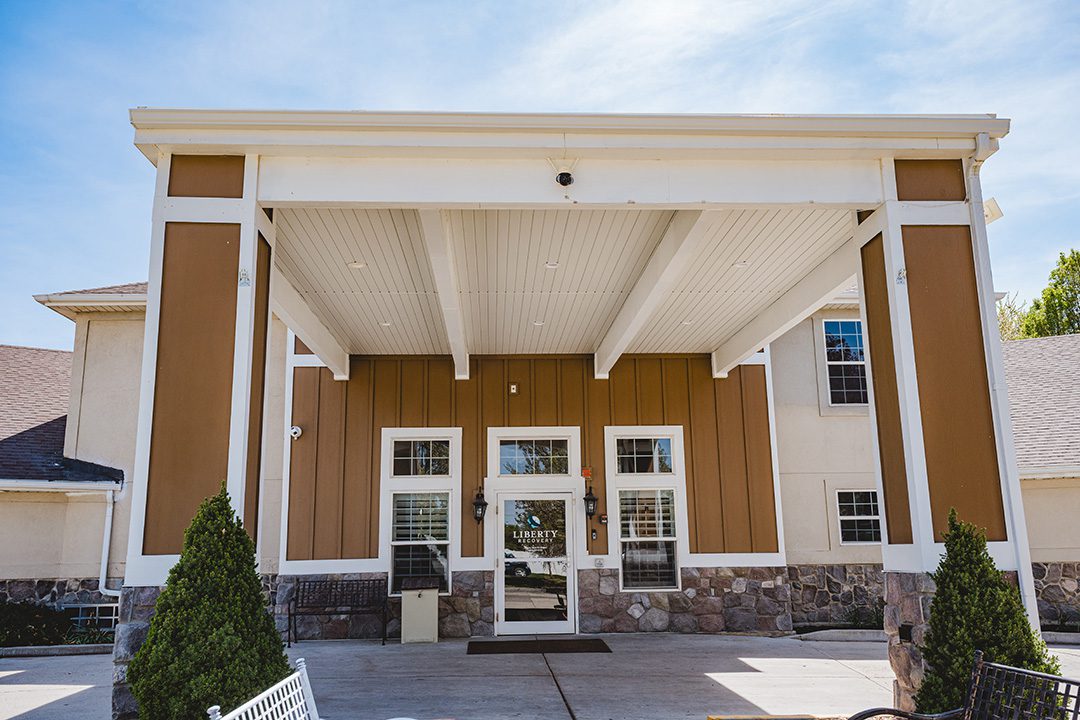
Short answer: A residential treatment center provides 24-hour addiction care where you live on-site during treatment. Liberty’s residential program in American Fork, Utah, offers around-the-clock support in a 27,000 square foot facility with 60 beds. We treat addiction and mental health together, accept Utah Medicaid, and provide a full path from treatment into sober living. Call (801) 997-9183.
- Residential treatment means living on-site with 24-hour care and supervision
- Liberty’s facility is 27,000 sq ft with 60 residential beds in American Fork, Utah
- We treat addiction and co-occurring mental health conditions in the same program
- Trauma-informed, evidence-based care that gets to the root of addiction
- Utah Medicaid accepted, one of the few Utah centers that does
- A full continuum of care from detox placement through sober living and alumni support
-
This is the place to come heal, the staff is amazing shain(peer support) is the first person in my life to believe in me I will continue to look up... read more
 andrew sanders
My experience was something I can not put into words. I am grateful for this opportunity to be sober and a new possibility for life.
Martin Stevens
Liberty saved my life. The peer support team that they have is phenomenal especially Shain. Miranda, Oaklee, and Whitney are the best case managers. They are superstars always putting the... read more
Kevin Gandy
-
I had a great experience at Liberty. The staff was genuinely helpful and engaging. I recommend this program to anyone seeing recovery for the first time or coming... read more
Sarah
I really enjoyed the staff here they helped me tremendously. I recommend it to anyone.Bryce, Miranda,Oaklee, Whitney Thanks for the opportunity and encouragement.
Andrew Baker
The 'Bryce Assignments' truly changed my life. The peer support staff went above and beyond, and the empathy I received from Shayne humbled me and changed my way of thinking.... read more
Jennie Sisneros
-
I've been to residential 22 times and Liberty helped me in ways that no other program ever could. Shain (peer support) saved my life on my first day when I... read more
Ariel Mecham
Liberty is a great place to find recovery. I just completed their residential treatment and have only fantastic things to say. They helped me to understand and find the person... read more
Jeremy Donaldson
Bryce Miranda and Oakley are my favorite!
KnowinAC Zimmerpost
-
Had a great experience! They really care for there clients highly recommended going here
Zach Richardson
I was hesitant about doing residential treatment until I found liberty and it was such a great experience and learned a lot about myself and how to overcome my shame... read more
Matt Thompson
My experience with Liberty was Amazing! I learned to love myself & now feel as though I have self worth. The house & the staff are so great and on... read more
Julie Gammon
-
The program and the staff have been just what I needed to heal from my alcoholism. The staff is engaged and truly care. The program has been unique... read more
Christine Axtell
The best IOP EVER !!!! BETTER THEN VALLEY BEHAVIOR HEALTH
Eric Kenyon
Excellent staff and counselors, mcall is my favorite and George is the best at making you feel at home and loved
Chandler Burgess
-
Macall is the best this place wouldn't run without her really she does more then anyone
Calvin Richards
Was very nice to me they took me in under their wing like if I was a bird of a feather and so this experience has been the best experience... read more
Sober Kayden
I came to Liberty from Wasatch Crest and I was truly amazed when I came here. I came in with a chronic bad attitude, and I was cold, but the... read more
Neve Glasser
-
I had the best experience while at liberty. Liberty helped change my life for the better. I can't explain how loving and caring the staff and clinicians are. When people... read more
Gabrielle Garcia
Best treatment center I've been too. All the staff are super nice. Its a center that is passionate about what they do. The clinicians are invested for the care... read more
Angii 2iisNOe Campbell
Professional staff and they go beyond and over, definitely it’s a calling for them. Would definitely recommend it.
Mike Mwingirwa
-
This is an absolutely amazing rehab I recommend it
Chrystal Farrar
নিজে থেকে নেশামুক্ত জীবন গড়়ার লক্ষ্য নিয়ে NA program করতে হবে, তবেই সুস্থ্য থাকা সম্ভব।
S K Ranjan Dolan (দোলন)
This place is truly amazing! I have gained structure, changed my destructive, toxic thoughts, beliefs and habits into positive healthy ones, and now have such a supportive and loving new... read more
Brittany
-
I didn’t think I needed treatment until I came through this program. It helped me learn that it wasn’t just my addiction I needed to work on. I learned the... read more
Suzanne Hopkins
I want to thank Liberty for providing me the space and support to begin my process of recovery and healing. This was my first time in treatment, and for those... read more
Nick Wright
Liberty is by far the best treatment facility I've been to. I've been to 3 counting them. They just care... like really care. It's feels like a home. Unfortunately... read more
FuhQ_69
-
I was able to come here and get the treatment I needed for starting my recovery in a safe place. The staff helped me along with the owners to help... read more
Joseph Renwick
When I first came to liberty I was so depressed and lost. I was more lost then I realized and didn't know how to fix the damage I caused from... read more
Austin Nicholas
I cannot be more grateful for Liberty Addiction. I just graduated their Residential program and it is absolutely serene the changes I have gone through and the confidence I have... read more
Alyssa Moore


What Is a Residential Treatment Center?
A residential treatment center is a place where you live on-site while getting addiction treatment. You stay 24 hours a day, with care and supervision available around the clock. This is the most structured level of care short of a hospital, and it works best for people who need to step away from daily life to focus fully on recovery.
The American Society of Addiction Medicine (ASAM) places residential care at Level 3.5 in its continuum of care. According to ASAM’s clinical criteria, this level is designed to stabilize substance use, build recovery skills, and prepare people to step down to less intensive care without returning to use. It is a real reset, not just detox.
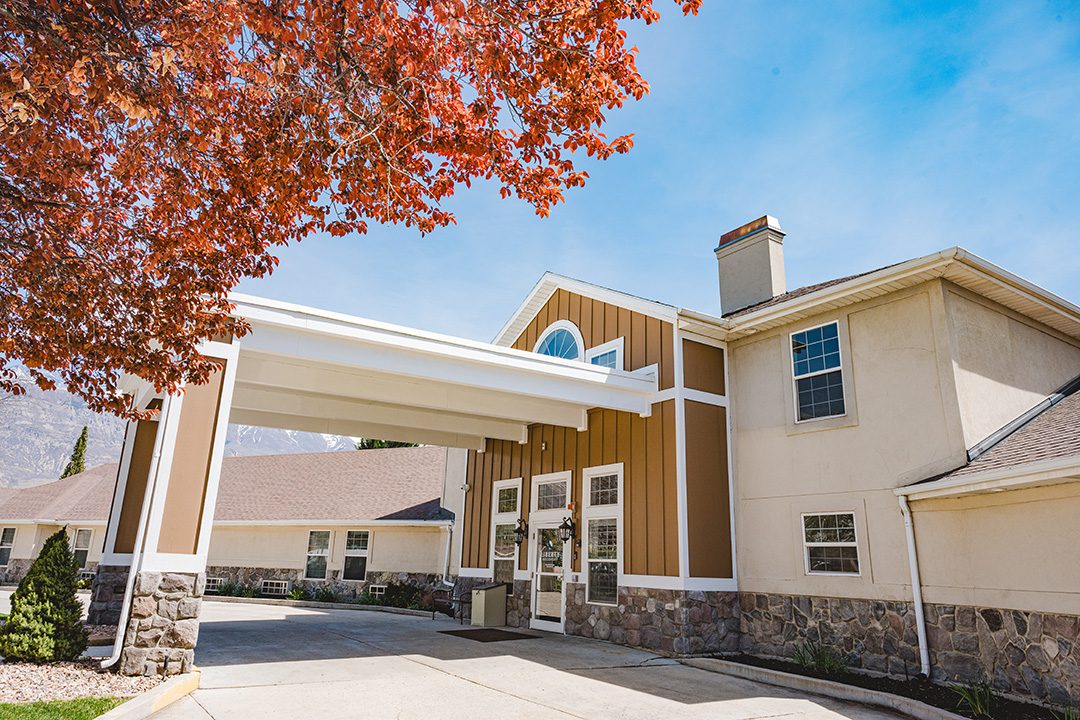
Liberty’s residential program sits in the foothills of the Wasatch Mountains in American Fork. The setting matters. A calm, stable place makes it easier to do the hard work of getting well, away from the people, places, and stress that fed the addiction.
Who Benefits From Residential Treatment?
Residential treatment is the right fit for people whose addiction is more severe, who have tried outpatient care without success, or whose home environment makes recovery hard. If staying sober feels impossible while living in the same place where the using happened, residential care removes that obstacle.
It tends to help most in these situations:
- Severe or long-term addiction. When substance use is heavy or has gone on for years, 24-hour structure gives the best chance at a stable start.
- Previous relapse. If outpatient treatment has not held, a residential stay provides the deeper reset many people need.
- An unstable or unsafe home. When home is full of triggers, living on-site protects early recovery.
- Co-occurring mental health conditions. When addiction comes with depression, anxiety, or trauma, treating both at once works better than treating either alone.
Not sure if residential is the right level for you or a loved one? Our team can help you sort it out. Some people start here, while others begin with detox or step down to an intensive outpatient program after residential care.
How Long Does Residential Treatment Last?
There is no single fixed length. Most residential stays run from 30 to 90 days, but the right length depends on the person. According to ASAM guidance, length of stay is based on ongoing assessment and progress toward recovery goals, not a set number of days.
Research has consistently found that longer stays tend to produce better outcomes. The goal is not to rush through a program but to stay long enough to build real, durable recovery skills. At Liberty, your treatment plan is personalized and reviewed as you progress, so the length fits your needs rather than a generic schedule.
What Happens During Residential Treatment at Liberty?
Treatment at Liberty is built around individual and group therapy, supported by education, life skills, and a focus on the underlying causes of addiction. Our approach is trauma-informed, which means we treat the wounds that often drive substance use, not just the substance use itself.
A typical residential program at Liberty includes:
- Individual therapy: One-on-one work with a licensed therapist to address trauma, triggers, and personal goals.
- Group therapy: Daily sessions with peers who understand the experience and build accountability.
- Evidence-based therapies: Including cognitive behavioral therapy (CBT) and dialectical behavior therapy (DBT).
- Mental health treatment: Care for co-occurring conditions like depression, anxiety, and PTSD.
- Life skills and goal setting: Practical tools for building a stable life after treatment.
- Healthy daily structure: Home-cooked meals three times a day and access to local recreation centers.
Liberty clients report strong results. In post-treatment surveys, clients reported a 79% average decrease in depression symptoms and a 46% average decrease in anxiety symptoms, with a 90% overall satisfaction rating.
The Liberty Difference
Liberty was built to do more than detox and discharge. We offer a full continuum of care, so the same team supports you from treatment through sober living and into long-term recovery. That continuity is one of the biggest reasons people stay sober after they leave.
What sets Liberty apart:
- Dual-diagnosis care. Liberty holds a Primary Mental Health facility designation, so we treat addiction and mental health together. See our dual diagnosis treatment program.
- Medicaid accepted. Liberty is one of the few Utah treatment centers that accepts Utah Medicaid.
- A path into sober living. Qualifying graduates can move into sober living on the same campus, with scholarships available.
- Lifelong support. Our alumni program, housing help, and employment pathways continue long after treatment ends.
- Joint Commission accredited. A national mark of quality and safety in care.
Our Residential Facility in American Fork
Liberty’s residential treatment center is located at 1088 E 390 S in American Fork, Utah, serving both Salt Lake County and Utah County. The 27,000 square foot facility has 60 residential beds plus 40 sober living beds for clients transitioning out of inpatient care.
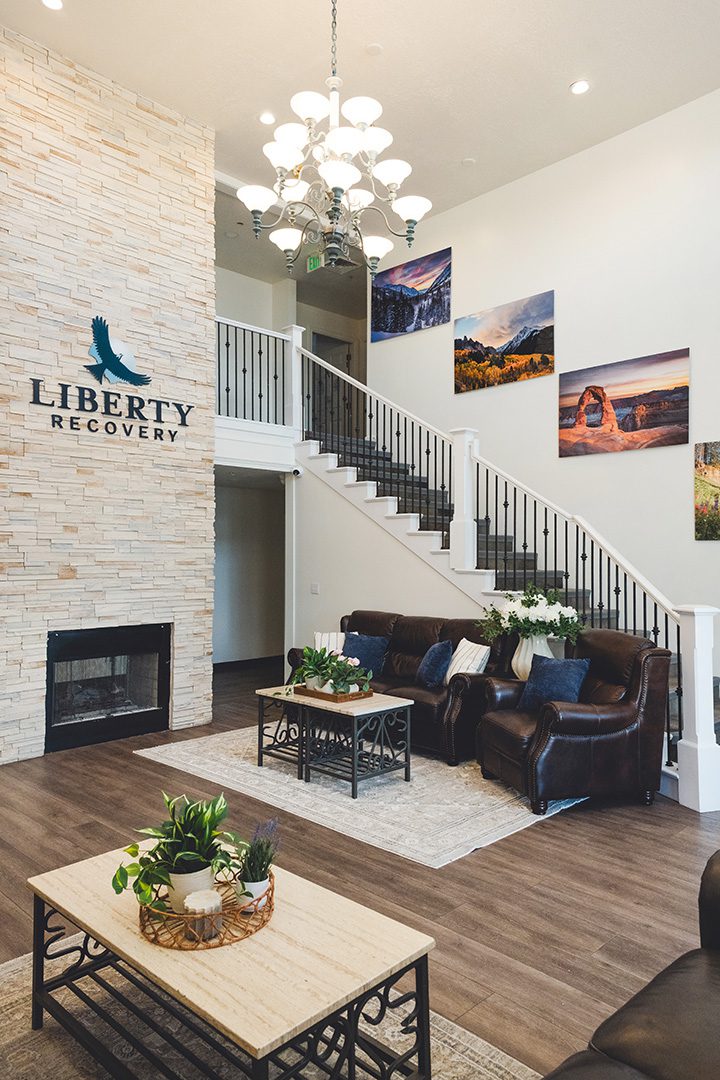
Clients have spacious living quarters, comfortable common areas, an on-site kitchen serving three home-cooked meals a day, and daily access to local recreation centers. We built the space to feel like a place where healing is possible, not a cold or clinical institution. Being away from a loved one during treatment is hard, and the environment here is designed to make it easier on the whole family.
Does Medicaid Cover Residential Treatment in Utah?
Yes. Liberty accepts Utah Medicaid as an in-network provider, which is uncommon among Utah treatment centers. Medicaid typically covers medically necessary residential addiction treatment.
Not sure what your plan covers? Use our insurance verification tool to check your benefits in a few minutes. Liberty also accepts a number of other carriers. Call our admissions team at (801) 997-9183 to go over your specific coverage.
Frequently Asked Questions
What is the difference between residential and inpatient treatment?
The terms are often used to mean the same thing: living on-site with 24-hour care. In clinical terms, “inpatient” sometimes refers to hospital-based medical care, while “residential” refers to a non-hospital setting focused on therapy and recovery skills. Liberty’s residential program provides around-the-clock support in a comfortable, home-like facility rather than a hospital.
How long does residential treatment last?
Most stays run 30 to 90 days, but the right length depends on the person. ASAM guidance bases length of stay on assessment and progress rather than a fixed number of days. Research shows longer stays generally lead to better outcomes, so Liberty personalizes each treatment plan.
Does residential treatment include detox?
Liberty does not operate its own detox unit, but coordinates medically supervised detox placement within 24 hours through partner facilities when needed. Once detox is complete, clients transition directly into Liberty’s residential program in American Fork.
Can I get treatment for mental health and addiction at the same time?
Yes. Liberty holds a Primary Mental Health facility designation, which allows treatment of co-occurring conditions like depression, anxiety, and PTSD alongside substance use in the same program. Treating both together gives people a better chance at lasting recovery.
What happens after residential treatment ends?
Liberty offers a full continuum of care. After residential treatment, qualifying clients can move into sober living on the same campus, step down to an intensive outpatient program, and join the alumni program for lifelong support. The goal is a smooth path back to independent life, not a sudden drop-off.
Does Medicaid cover residential treatment at Liberty?
Yes. Liberty accepts Utah Medicaid as an in-network provider. Medicaid typically covers medically necessary residential addiction treatment. Use our insurance check tool to verify your specific benefits.
Ready to take the first step?
Call Liberty Addiction Recovery Centers to talk with our admissions team, or verify your insurance online in minutes. When someone is ready for help, we want a bed ready for them.
Residential: 1088 E 390 S, American Fork, UT 84003 | Outpatient: 6671 S Redwood Rd, Suite 201, West Jordan, UT 84084