Short answer: Fentanyl attaches to opioid receptors in the brain, floods the reward system with dopamine, and slows the signals that control breathing. That combination creates intense euphoria alongside severe respiratory depression, which is why fentanyl is both highly addictive and one of the most dangerous drugs a person can use.
- Fentanyl binds to opioid receptors in the central nervous system, the same receptors that control pain, mood, and breathing.
- It triggers a much larger dopamine surge than natural opioids, which is part of why it is so addictive so quickly.
- Fentanyl slows the brainstem’s breathing signals, and slowed breathing can starve the brain of oxygen.
- Oxygen starvation from fentanyl use can cause permanent brain injury, coma, or death, even after a single use.
- Fentanyl is 50 to 100 times more potent than morphine, so the margin between a normal dose and an overdose is extremely small.
- The brain changes caused by fentanyl are treatable. Medical detox and structured treatment give the brain the chance to heal.
How Fentanyl Works in the Brain
Fentanyl is a synthetic opioid, and like heroin and morphine, it works by binding to opioid receptors found throughout the central nervous system. These receptors sit in areas of the brain that regulate pain, mood, and basic survival functions like breathing.
When fentanyl attaches to these receptors, it blocks pain signals and releases a large wave of dopamine, the brain chemical tied to pleasure and reward. This creates the intense euphoria and relaxation that makes fentanyl so addictive, and it is also what makes the brain crave the drug again once the effects wear off.
Because fentanyl is so much more potent than other opioids, this entire process happens faster and stronger than with drugs like oxycodone or heroin. A dose that looks small can overwhelm the brain’s opioid receptors almost immediately.
Dangerous Effects on the Brain
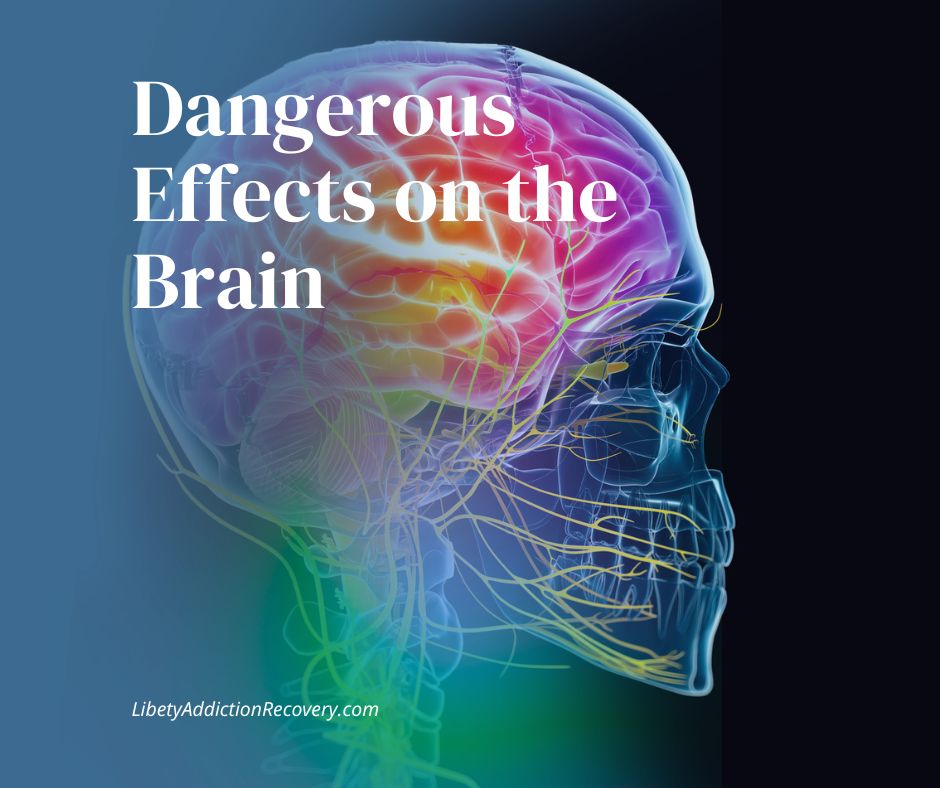
Fentanyl’s grip on the brain goes beyond the high. The same receptors that control mood also sit near the brainstem, which manages breathing. This is where fentanyl becomes life-threatening.
| Effect | What Happens in the Brain |
|---|---|
| Respiratory depression | Fentanyl slows or stops the brainstem’s breathing signals. |
| Brain hypoxia | Slowed breathing reduces the oxygen reaching the brain. |
| Brain injury | Extended oxygen loss can cause coma or permanent damage. |
| Dependence | Repeated use rewires the brain’s reward system, creating physical dependence and intense cravings. |
This is why a fentanyl overdose can happen so fast, and why naloxone (Narcan) works by reversing the opioid effect at the receptor level long enough to restore normal breathing.
Why Fentanyl Is More Dangerous Than Other Opioids
Fentanyl is 50 to 100 times more potent than morphine. That potency means the difference between a dose that produces a high and a dose that stops someone’s breathing is extremely small, and it is nearly impossible to judge that difference without lab equipment.
In Utah, much of the danger comes from illicit fentanyl mixed into counterfeit pills or other drugs without the user’s knowledge. Someone can take what they believe is a prescription pain pill and unknowingly take a fatal dose of fentanyl. This is one of the reasons fentanyl-related overdoses have risen so sharply in recent years.
Signs Fentanyl Is Affecting a Loved One’s Brain and Behavior
Because fentanyl changes how the brain regulates mood, motivation, and alertness, the effects often show up in behavior before anyone talks about drug use. Family members frequently notice extreme drowsiness, confusion, mood swings, or a loved one nodding off unexpectedly.
If you are noticing these changes in someone you love, our guide on the signs of fentanyl addiction walks through the physical, behavioral, and emotional warning signs in more detail.
Can the Brain Recover After Fentanyl Use?
Yes. The brain has a real capacity to heal once fentanyl use stops, though the timeline depends on how long and how heavily someone used. Medical detox is the safest way to start, since fentanyl withdrawal can be intense and, in some cases, dangerous without supervision.
At Liberty, treatment starts with a safe medical detox and moves into structured care built to give the brain time to reset. Our residential program at our American Fork facility now runs 60 days, longer than the standard 30-day stay, because lasting recovery from an opioid this powerful takes real time. If fentanyl use is connected to a broader opioid use pattern, our fentanyl rehab program and opioid addiction treatment combine medical support with trauma-informed therapy to address both the physical and emotional sides of addiction.
-
This is the place to come heal, the staff is amazing shain(peer support) is the first person in my life to believe in me I will continue to look up... read more
 andrew sanders
My experience was something I can not put into words. I am grateful for this opportunity to be sober and a new possibility for life.
Martin Stevens
Liberty saved my life. The peer support team that they have is phenomenal especially Shain. Miranda, Oaklee, and Whitney are the best case managers. They are superstars always putting the... read more
Kevin Gandy
-
I had a great experience at Liberty. The staff was genuinely helpful and engaging. I recommend this program to anyone seeing recovery for the first time or coming... read more
Sarah
I really enjoyed the staff here they helped me tremendously. I recommend it to anyone.Bryce, Miranda,Oaklee, Whitney Thanks for the opportunity and encouragement.
Andrew Baker
The 'Bryce Assignments' truly changed my life. The peer support staff went above and beyond, and the empathy I received from Shayne humbled me and changed my way of thinking.... read more
Jennie Sisneros
-
I've been to residential 22 times and Liberty helped me in ways that no other program ever could. Shain (peer support) saved my life on my first day when I... read more
Ariel Mecham
Liberty is a great place to find recovery. I just completed their residential treatment and have only fantastic things to say. They helped me to understand and find the person... read more
Jeremy Donaldson
Bryce Miranda and Oakley are my favorite!
KnowinAC Zimmerpost
-
Had a great experience! They really care for there clients highly recommended going here
Zach Richardson
I was hesitant about doing residential treatment until I found liberty and it was such a great experience and learned a lot about myself and how to overcome my shame... read more
Matt Thompson
My experience with Liberty was Amazing! I learned to love myself & now feel as though I have self worth. The house & the staff are so great and on... read more
Julie Gammon
-
The program and the staff have been just what I needed to heal from my alcoholism. The staff is engaged and truly care. The program has been unique... read more
Christine Axtell
The best IOP EVER !!!! BETTER THEN VALLEY BEHAVIOR HEALTH
Eric Kenyon
Excellent staff and counselors, mcall is my favorite and George is the best at making you feel at home and loved
Chandler Burgess
-
Macall is the best this place wouldn't run without her really she does more then anyone
Calvin Richards
Was very nice to me they took me in under their wing like if I was a bird of a feather and so this experience has been the best experience... read more
Sober Kayden
I came to Liberty from Wasatch Crest and I was truly amazed when I came here. I came in with a chronic bad attitude, and I was cold, but the... read more
Neve Glasser
-
I had the best experience while at liberty. Liberty helped change my life for the better. I can't explain how loving and caring the staff and clinicians are. When people... read more
Gabrielle Garcia
Best treatment center I've been too. All the staff are super nice. Its a center that is passionate about what they do. The clinicians are invested for the care... read more
Angii 2iisNOe Campbell
Professional staff and they go beyond and over, definitely it’s a calling for them. Would definitely recommend it.
Mike Mwingirwa
-
This is an absolutely amazing rehab I recommend it
Chrystal Farrar
নিজে থেকে নেশামুক্ত জীবন গড়়ার লক্ষ্য নিয়ে NA program করতে হবে, তবেই সুস্থ্য থাকা সম্ভব।
S K Ranjan Dolan (দোলন)
This place is truly amazing! I have gained structure, changed my destructive, toxic thoughts, beliefs and habits into positive healthy ones, and now have such a supportive and loving new... read more
Brittany
-
I didn’t think I needed treatment until I came through this program. It helped me learn that it wasn’t just my addiction I needed to work on. I learned the... read more
Suzanne Hopkins
I want to thank Liberty for providing me the space and support to begin my process of recovery and healing. This was my first time in treatment, and for those... read more
Nick Wright
Liberty is by far the best treatment facility I've been to. I've been to 3 counting them. They just care... like really care. It's feels like a home. Unfortunately... read more
FuhQ_69
-
I was able to come here and get the treatment I needed for starting my recovery in a safe place. The staff helped me along with the owners to help... read more
Joseph Renwick
When I first came to liberty I was so depressed and lost. I was more lost then I realized and didn't know how to fix the damage I caused from... read more
Austin Nicholas
I cannot be more grateful for Liberty Addiction. I just graduated their Residential program and it is absolutely serene the changes I have gone through and the confidence I have... read more
Alyssa Moore


Worried About Fentanyl Use? Liberty Can Help.
Our team offers medically supervised detox and a 60-day residential program at our American Fork facility. Liberty accepts Medicaid and most Utah insurance plans.
Frequently Asked Questions
How does fentanyl affect the brain?
Fentanyl binds to opioid receptors in the brain, releasing a large surge of dopamine while also slowing the breathing signals controlled by the brainstem. This creates intense euphoria alongside a real risk of dangerously slowed breathing.
Can fentanyl cause permanent brain damage?
Yes. When fentanyl slows breathing enough to reduce oxygen to the brain, it can cause hypoxic brain injury, which may be permanent depending on how long the oxygen loss lasted.
Why is fentanyl more dangerous than other opioids?
Fentanyl is 50 to 100 times more potent than morphine, so the gap between a typical dose and a fatal dose is extremely small, especially when it is mixed into other drugs without the user’s knowledge.
How long does it take the brain to recover from fentanyl use?
Recovery timelines vary based on how long and how heavily someone used fentanyl. Many people see real improvement in mood, sleep, and clarity within the first weeks of treatment, with continued healing over months of sobriety.
Is fentanyl withdrawal dangerous?
Fentanyl withdrawal is rarely life-threatening on its own, but it can be severe and is safest to manage with medical supervision, which is why detox is the recommended first step.
What treatment options help the brain heal from fentanyl use?
Medical detox, residential treatment, and medication-assisted approaches all support brain recovery. Liberty combines medically supervised detox with a 60-day residential program to give the brain more time to stabilize.